
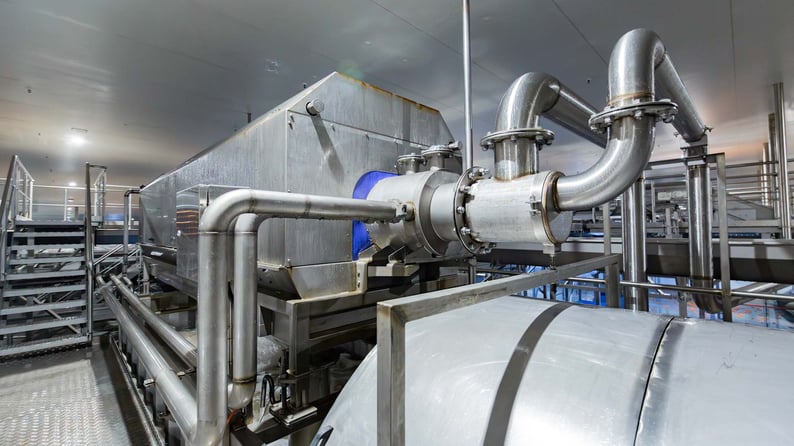
Energy and water efficiency are now critical to modern post-harvest operations, with the biggest gains coming from smart line design, optimised processes, and the integration of efficient technologies.
Across global fresh produce markets, energy and water efficiency are no longer “nice to have”, they are business-critical. Rising input costs, tightening environmental regulations, and increasing pressure from retailers and consumers are all driving processors to rethink how their operations use resources. For many, the challenge is clear: how to process more product, more consistently, while using less energy and water.
The good news is that meaningful gains are often achievable, not just through large capital investments, but through smarter design, better technology, and optimised processes.
Efficiency Matters More Than Ever
Rising input costs
Energy prices remain volatile across the world, directly impacting processing margins. Water costs and discharge regulations are also increasing, particularly in regions with stricter environmental controls.
Regulatory pressure
Environmental standards are tightening globally, with increasing focus on water usage, wastewater treatment, and carbon emissions. Processors must demonstrate compliance while maintaining productivity.
Sustainability expectations
Retailers and consumers are placing greater emphasis on sustainably produced food. Efficient operations are now part of brand value, not just operational performance.
Labour and productivity pressures
With labour shortages continuing across many markets, processors are looking to automation and efficiency improvements to maintain throughput and reduce reliance on manual processes.
Where the Biggest Efficiency Gains Sit
While every facility is different, the most significant opportunities for improvement typically sit in a few key areas:
1. Washing and Water Management
Washing is one of the most water-intensive stages in post-harvest processing. Opportunities include:
- Recycling and reusing process water
- Improving filtration and sediment removal
- Optimising spray systems and flow rates
Even small improvements in water recirculation can deliver significant cost savings over time.
2. Pumping and Conveying Systems
Pumps and conveyors are constant energy consumers across the line. Efficiency gains can come from:
- Correct sizing of pumps and motors
- Reducing unnecessary elevation changes
- Minimising friction and product resistance
- Using variable speed drives (VSDs)
Poorly optimised conveying systems often consume more energy than necessary while also increasing wear and maintenance.
3. Drying and Dewatering
Removing excess water efficiently reduces both energy use and downstream processing challenges. Improvements may include:
- Better mechanical dewatering before drying
- Optimised airflow and drying systems
- Reducing over-processing
This stage is often overlooked but can have a disproportionate impact on total energy consumption.
4. Equipment Utilisation and Line Design
Inefficient layouts or underutilised equipment can drive unnecessary energy and water use. Smart line design focuses on:
- Minimising double handling
- Reducing idle running time
- Matching equipment capacity across the line
- Eliminating bottlenecks
Wyma’s approach, for example, models entire lines to ensure every component works efficiently within the system.
The Role of Design and Technology
Integrated line design
Efficiency starts at the design stage. A well-integrated processing line ensures that energy and water use are optimised across the entire system, not just at individual machines.
With full-line visibility, it becomes possible to:
- Balance throughput across stages
- Reduce unnecessary processing steps
- Optimise resource use holistically
Automation and control systems
Modern automation enables processors to monitor and adjust operations in real time. This includes:
- Adjusting flow rates based on throughput
- Automatically controlling water usage
- Reducing idle time and energy waste
Automation not only improves efficiency but also consistency and product quality.
Continuous innovation
Ongoing product development plays a key role in improving efficiency. Incremental improvements, in areas such as spray design, motor efficiency, and material handling, compound over time to deliver meaningful savings.
Process Improvements That Deliver Immediate Value
Not all efficiency gains require new equipment. Process-level improvements can often deliver quick wins:
- Regularly reviewing water usage and identifying waste points
- Adjusting machine settings to match actual throughput
- Preventing leaks and unnecessary run time
- Scheduling maintenance to keep equipment operating efficiently
- Training operators to understand the impact of their settings
These actions are low-cost but can have a measurable impact on both energy and water consumption.
Balancing Efficiency with Performance
It’s important to note that efficiency should never come at the expense of product quality or throughput.
The goal is not simply to use less energy or water, but to use it more effectively.
The most successful operations achieve this balance by:
- Designing systems around real processing needs
- Using data to inform decisions
- Continuously refining both equipment and processes
Looking Ahead: Efficiency as a Competitive Advantage
As the industry continues to evolve, energy and water efficiency will become an even stronger differentiator between processors.
Those who invest in smarter systems and better processes will benefit from:
- Lower operating costs
- Improved sustainability credentials
- Greater resilience to market and regulatory changes
Ultimately, efficiency is not just about cost savings, it’s about building a more competitive, future-ready operation.
If you're looking to improve energy or water efficiency across your processing line, Wyma’s service team can help identify opportunities and implement practical improvements, from system optimisation to equipment upgrades and maintenance support.


-
Potato Processing Explained: From Intake to PackingApril 28, 2026
-
Reducing Service Costs Through Smart Equipment UpgradesApril 25, 2026
-
Carrot and Parsnip Processing Trends Across Global MarketsApril 15, 2026

