.png?width=794&height=447&name=Trimmer%20Video-ENG%20testing(2).png)
A practical look at how carrot and parsnip processing differs across regions, and how market trends are shaping investment in automation, efficiency, and quality.
Carrot and parsnip processing might appear relatively straightforward on the surface, but across global markets, it is becoming increasingly complex. Processors today are balancing higher expectations around quality, food safety, and traceability with growing pressure on labour, water, and operational costs.
While carrots dominate global volumes and often dictate how lines are designed, parsnips introduce a different set of challenges. They are more seasonal, more sensitive to cosmetic defects, and often require gentler handling. Together, these crops highlight the need for processing systems that can deliver both efficiency and precision.
A similar process, shaped by different markets
At a high level, the processing flow for carrots and parsnips is consistent around the world. Produce is received, cleaned, washed, and prepared before being graded, trimmed, and either packed fresh or processed further.
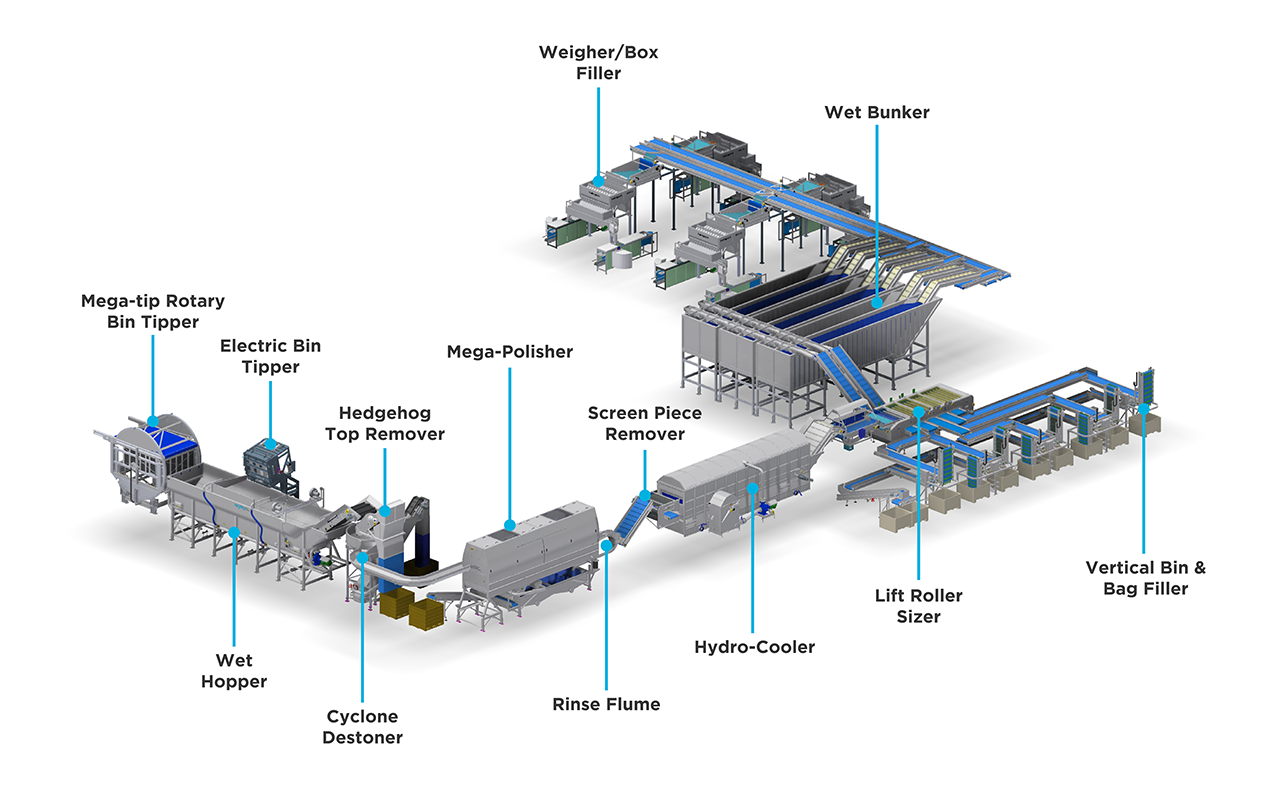
What changes from region to region is not the process itself, but where processors choose to invest.
In Europe, for example, the emphasis is on consistency and meeting strict retailer specifications. This drives investment in gentle handling systems, advanced grading, and automation. In contrast, North America is heavily influenced by demand for fresh-cut and convenience products, pushing processors toward high-throughput systems with strong sanitation and traceability controls.
Across Asia, the picture is more varied. Japan represents a highly advanced market with strong demand for convenience and strict hygiene standards, while countries like India are still developing industrial-scale processing, often limited by cold chain infrastructure. China sits somewhere in between, combining large-scale production with growing export-driven standards.
Meanwhile, regions like Oceania and parts of Latin America reflect a mix of high standards and variability. Export-focused operations tend to adopt modern, high-spec processing lines, while domestic markets may operate with simpler systems.
Despite these differences, one thing is consistent: processors are being pushed to do more with less.
The start of the line matters most
For root vegetables like carrots and parsnips, the biggest gains in performance often come from the very beginning of the line.
These crops arrive with a high level of variability. Soil load, stones, size differences, and storage conditions all impact how they behave during processing. If these variables are not managed early, they create problems downstream, affecting grading accuracy, trimming efficiency, and overall yield.
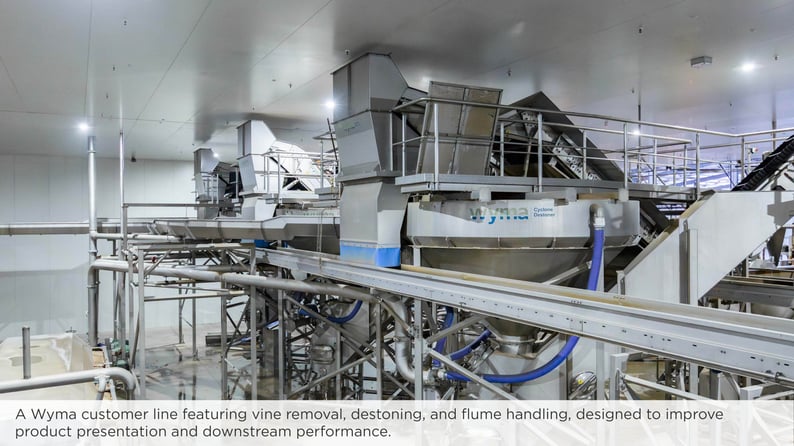
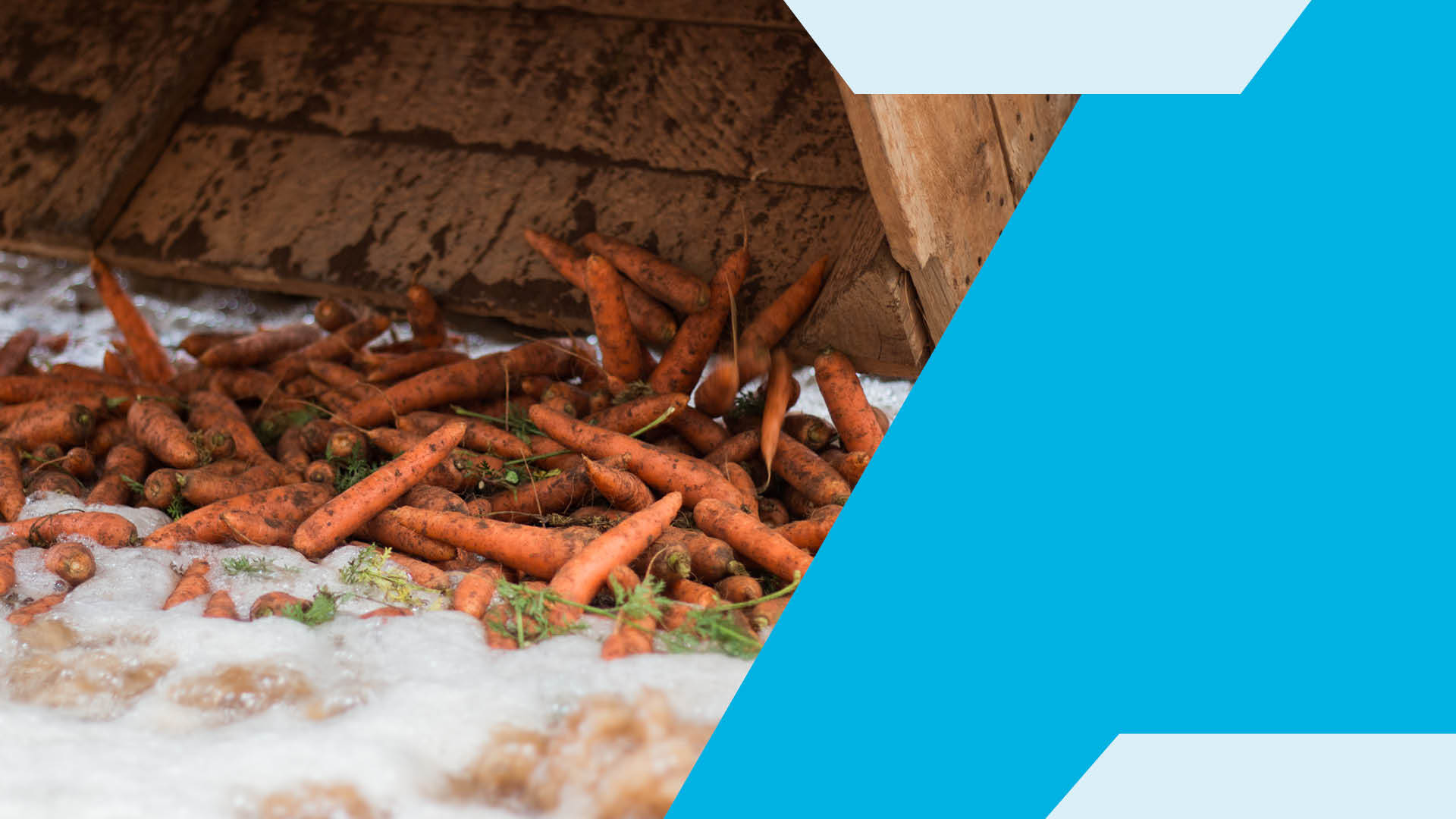
This is why the receiving, washing, and presentation stages are so critical. A well-designed wash and destoning system doesn’t just clean the product. It stabilises the entire process. It ensures consistent flow, protects equipment further down the line, and sets the foundation for accurate grading and trimming. In many cases, improving this front-end section delivers greater returns than upgrading later-stage equipment.
Shared challenges across global markets
Although processing approaches vary by region, the challenges processors face are remarkably similar.
One of the most significant is raw material variability. Changes in crop quality, driven by climate, soil conditions, and storage, directly impact processing performance. This variability makes it harder to maintain consistent output, increasing both waste and operational complexity.
Labour is another major pressure point. Across most markets, processors are finding it increasingly difficult to recruit and retain staff, particularly for repetitive and manual tasks like trimming and inspection. As a result, there is a clear shift toward automation, especially in areas where consistency and speed are critical.
Water and energy costs are also rising. Washing, cooling, and cleaning all require significant water use, and regulations around water discharge are becoming stricter. At the same time, energy-intensive processes like freezing are under increasing scrutiny, both from a cost and sustainability perspective.
Overlaying all of this is the growing importance of food safety and traceability. Regulatory requirements are tightening, and retailers are demanding greater transparency. This is driving investment in better monitoring systems, improved sanitation processes, and digital traceability tools that allow processors to track product through every stage of the line.
Technology trends reshaping processing lines
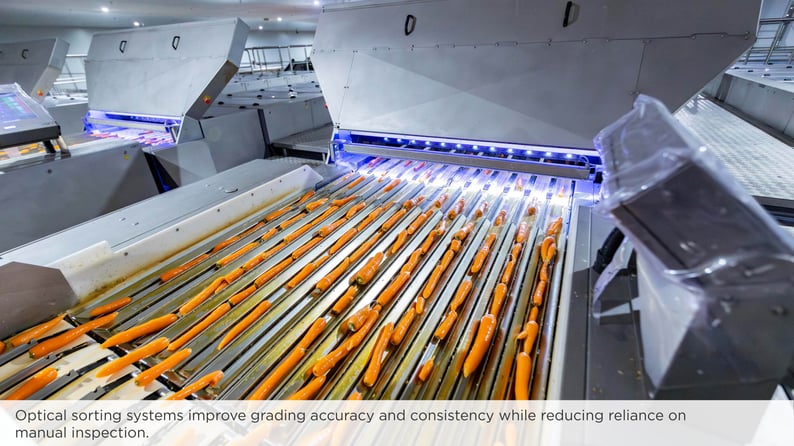
As these pressures increase, processing lines are evolving. Automation is expanding beyond simple mechanisation into more advanced decision-making systems. Optical sorting, for example, is no longer considered a premium add-on. It is becoming a standard component of modern lines, helping processors improve both quality and food safety while reducing reliance on manual labour.
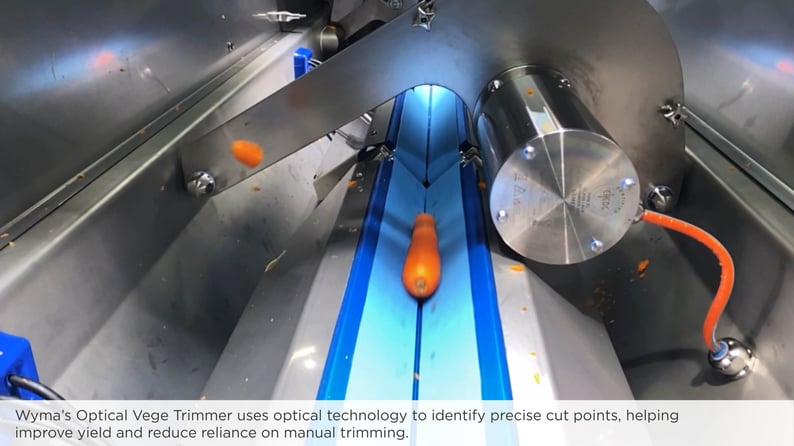
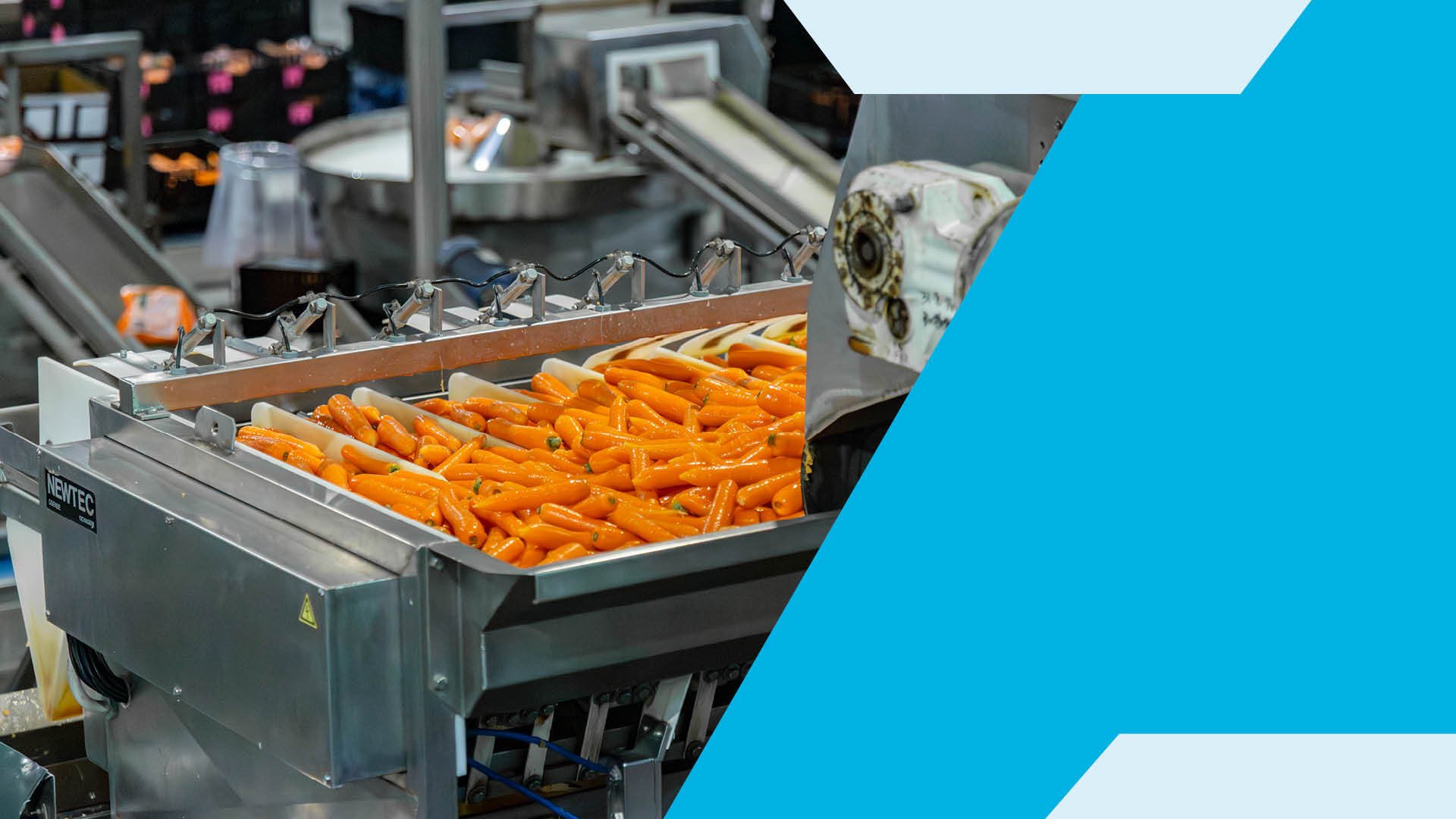
Trimming is another area seeing rapid development. Automated systems are now capable of identifying and cutting precise points on each vegetable, improving yield and consistency while significantly reducing labour requirements.
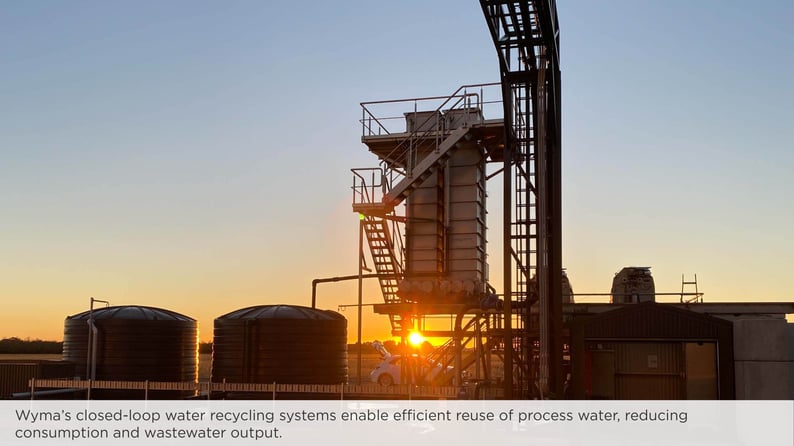
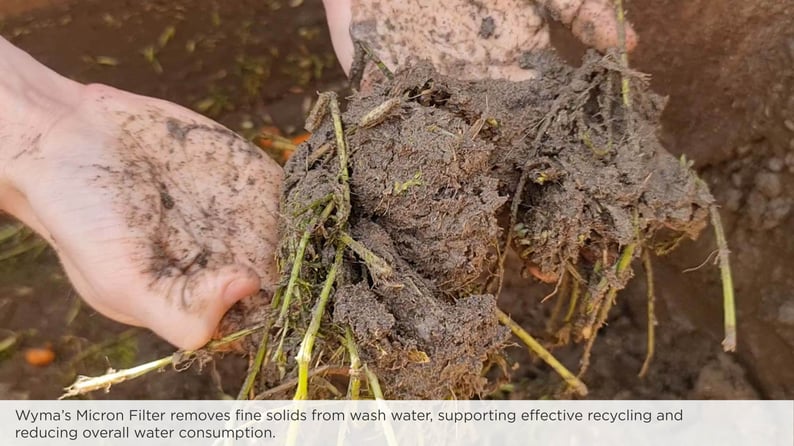
At the same time, water systems are being rethought. Instead of being treated as a basic utility, water is increasingly managed as a controlled part of the process. Closed-loop systems, filtration, and improved solids removal are helping processors reduce both consumption and waste.
There is also a clear shift toward value-added products. Demand for fresh-cut and frozen formats continues to grow, requiring processors to invest in cutting, blanching, and freezing capabilities. These processes place additional importance on maintaining product quality throughout the line, particularly in terms of texture, colour, and shelf life.
So where should processors focus?
For processors planning their next investment, the direction is becoming clearer.
Rather than focusing on individual machines, there is increasing value in looking at the line as a whole. The most successful operations are those that manage variability early, control key resources like water, and use automation strategically to improve both efficiency and product quality.
Flexibility is also becoming more important. As consumer demand shifts toward convenience and value-added products, processing lines need to adapt to different outputs without compromising performance.
Finally, traceability and compliance must be built into the system from the start. These are no longer optional features. They are fundamental requirements for operating in modern food supply chains.
Designing for What Comes Next
Carrot and parsnip processing is becoming more demanding, with increasing pressure on quality, labour, and resources. As a result, success now depends on how well the entire line works together, not just individual machines.
Processors who take a more holistic approach, from managing variability at intake to optimising water use and automation, are better positioned to improve performance and adapt to changing market demands.
If you’re reviewing your current line or planning future investment, get in touch with our team.

-
 Carrot and Parsnip Processing Trends Across Global MarketsApril 15, 2026
 -
-