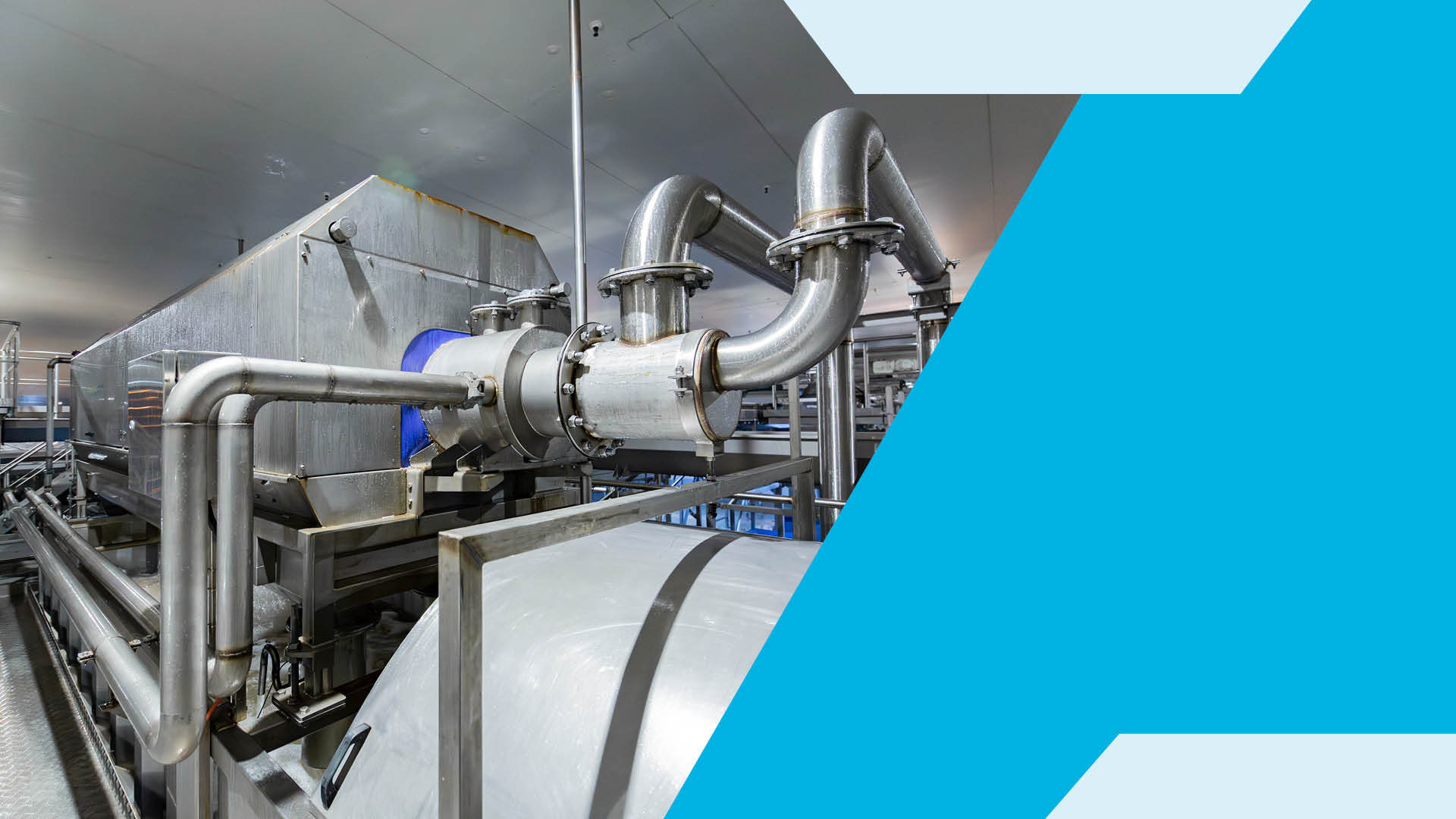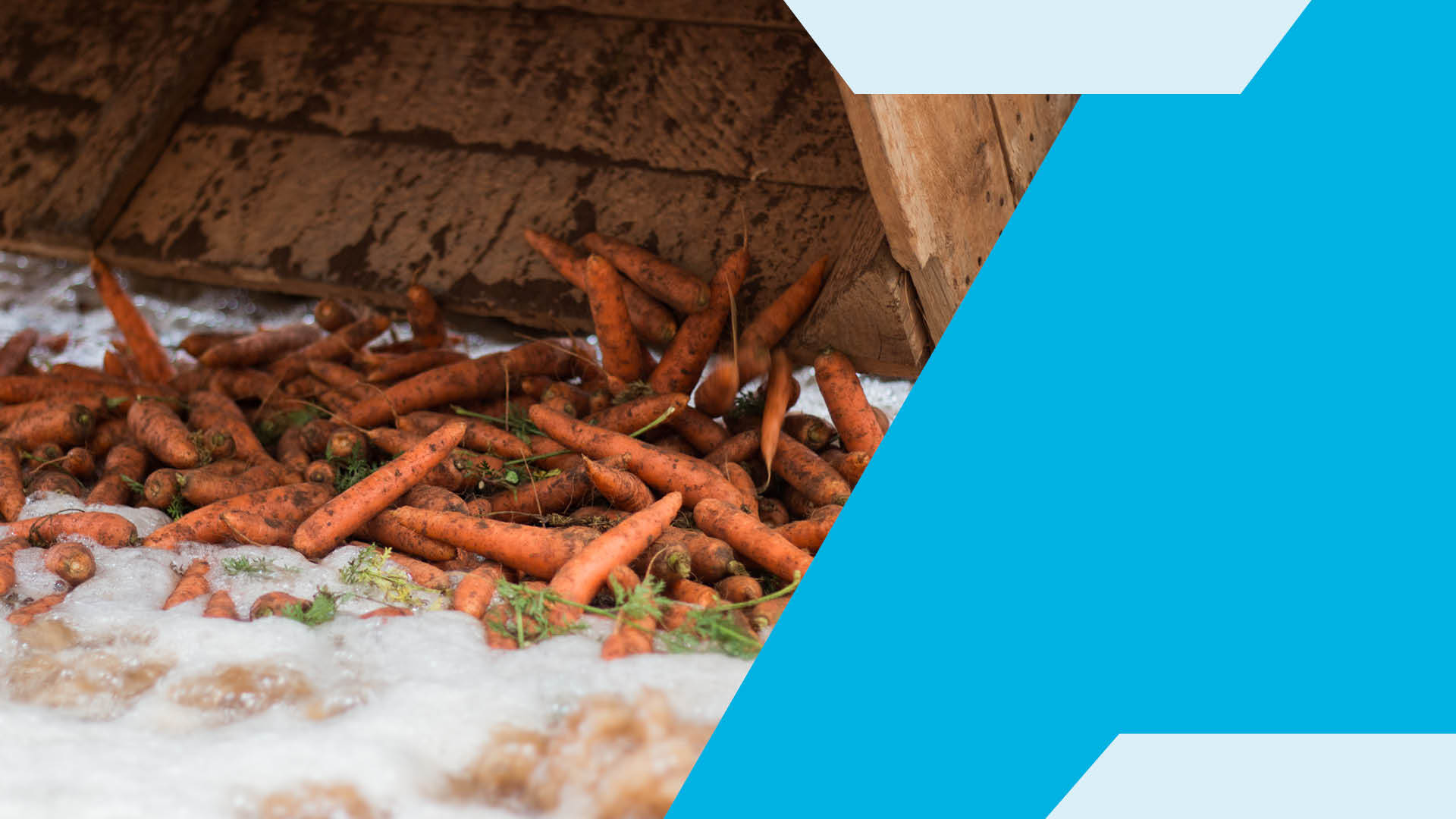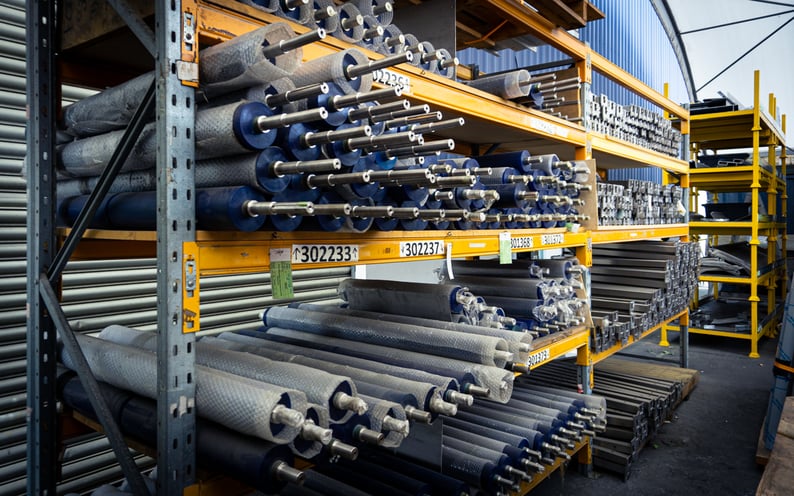
Every component matters. Using genuine OEM parts helps protect system performance, food safety, and the long-term value of your equipment.
In post-harvest processing, equipment reliability is never accidental. Every component plays a role in maintaining consistent performance, product quality, and food safety, especially in demanding, high-throughput environments.
While replacement parts may look similar on the surface, not all parts are designed to perform the same role within a complete system. This is where the importance of OEM (Original Equipment Manufacturer) parts becomes clear.
Designed as part of an integrated system
OEM parts are not standalone components. They are engineered, tested, and validated as part of a complete machine and processing line.
This means:
- Correct tolerances that align precisely with surrounding components
- Materials selected to match wear patterns, loads, and operating conditions
- Performance characteristics designed to maintain flow, efficiency, and gentle product handling
When parts are designed to work together, the system performs as intended, consistently and predictably.
Reliability you can plan around
Post-harvest operations rely on tight production windows. Unexpected downtime can have immediate consequences for throughput, quality, and delivery commitments.
OEM parts support reliability by:
- Maintaining original machine performance
- Reducing the risk of premature wear or failure
- Minimising unplanned downtime and emergency repairs
This reliability isn’t just about keeping machines running, it’s about confidence in daily operation and seasonal planning.
Food safety and compliance
Food safety is non-negotiable in modern processing environments. OEM parts are designed with this responsibility in mind, using materials and finishes suitable for food-contact areas and wash-down conditions.
Using genuine parts helps ensure:
- Compliance with food safety standards and regulations
- Consistent hygiene performance across the line
- Reduced risk of contamination from incompatible materials or finishes
Small component choices can have a large impact on overall food safety performance.
Lower lifecycle costs not just lower purchase price
Price is often the most visible factor when choosing replacement parts, but it rarely tells the full story.
OEM parts are designed to:
- Deliver predictable service life
- Protect surrounding components from unnecessary wear
- Reduce secondary damage caused by incorrect fit or performance
Over time, this results in lower total cost of ownership, fewer failures, and reduced maintenance complexity.
Protecting the long-term value of your equipment
Post-harvest equipment is a long-term investment. Its value depends not only on initial performance, but on how well it performs over years of operation.
Using OEM parts helps:
- Preserve original machine integrity
- Maintain performance consistency over time
- Protect resale value and upgrade potential
In short, genuine parts help ensure your equipment continues to deliver value well beyond its first season.
A system-level decision
Choosing OEM parts is not about brand preference or price comparison. It’s about protecting system performance, food safety, and long-term reliability.
When equipment is supported with parts designed specifically for it, the entire operation benefits — from daily efficiency to long-term confidence.
If you’d like to learn more about using genuine OEM parts, maintenance best practices, or how to protect the long-term performance of your equipment, contact our After Sales team. Our specialists can help you identify the right parts and support solutions to keep your operation running safely, reliably, and efficiently.