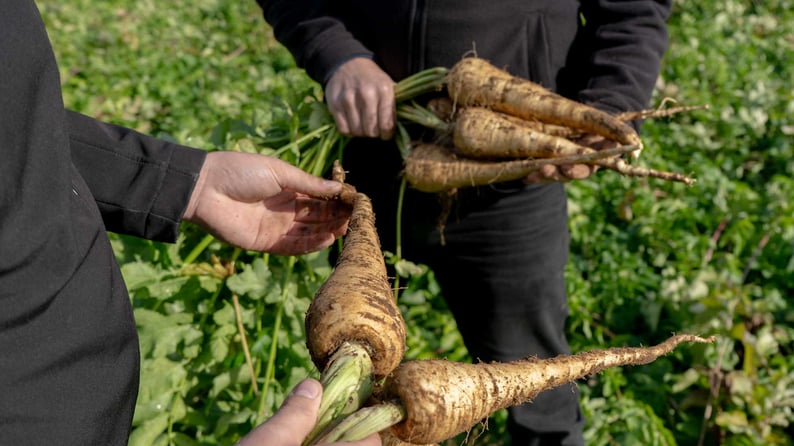
From water recycling systems to AI-driven trimming smarter post-harvest practices are helping vegetable processors cut water use, reduce food waste, and extend shelf life.
Why Sustainability Matters Now
By 2050, food production will need to double to feed nearly 10 billion people. Yet resources are shrinking: Europe alone loses €28 billion in crops annually from extreme weather, over half from drought. Agriculture already consumes 70% of global freshwater, while the EU wastes nearly 59 million tonnes of food a year. For vegetable growers and processors, sustainability is no longer optional. It is central to resilience, profitability, and compliance.
The Three Pillars of Sustainable Processing
1. Water: Smarter Treatment and Recycling
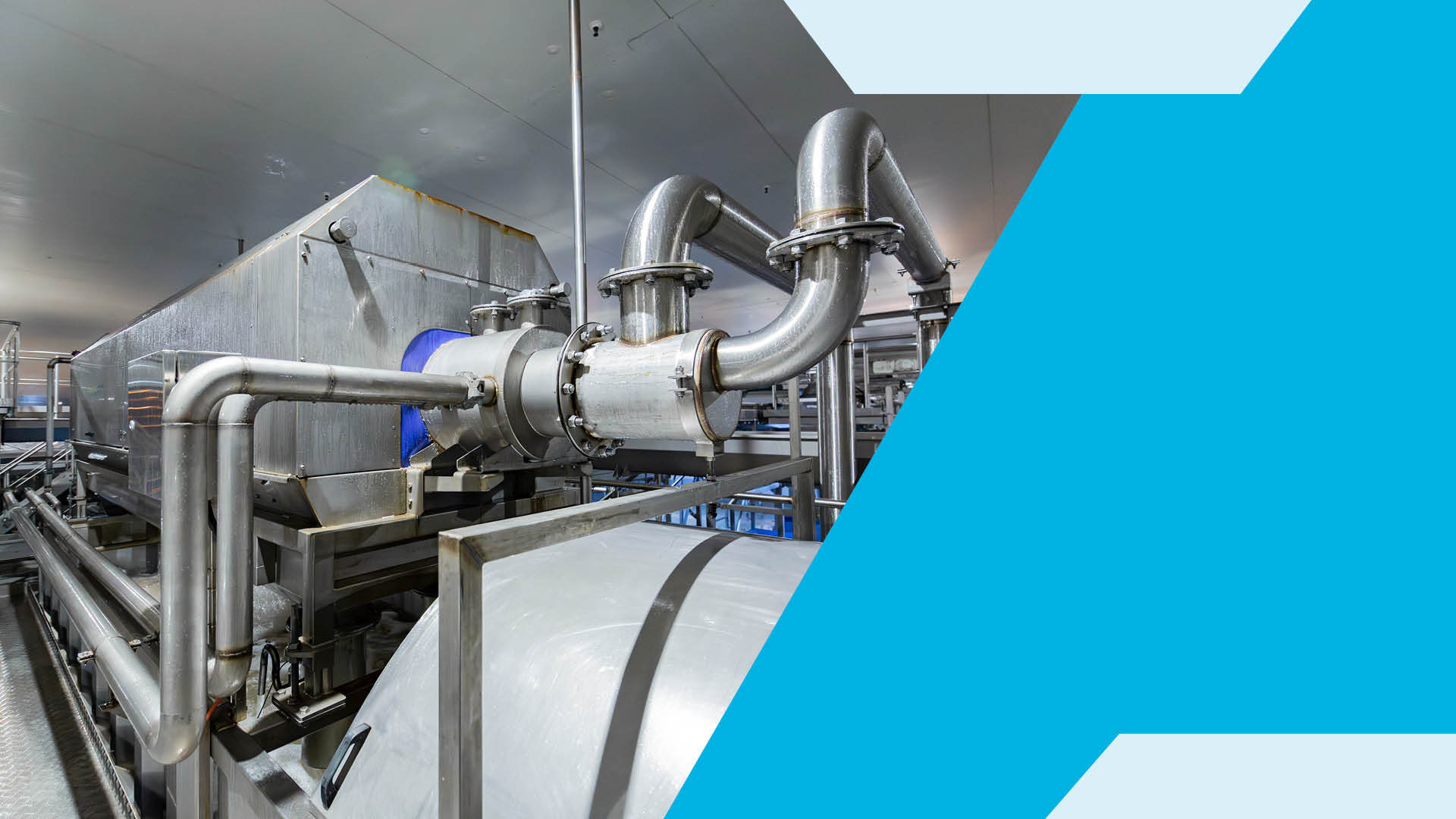
Tighter rules within governments globally and rising costs make efficient water use essential. Closed-loop wash systems, multi-stage filtration, and on-site recycling can significantly reduce fresh water demand while maintaining food safety. Wyma offers a range of water recycling solutions, including stage 1 and stage 2 treatment systems that enable packhouses to filter and reuse wash water safely, saving thousands of liters every hour. We are also developing stage 3 treatment technology to further expand the capabilities of our water recycling category and deliver even greater efficiency in the near future.
2. Waste: Reducing Loss and Extending Shelf Life
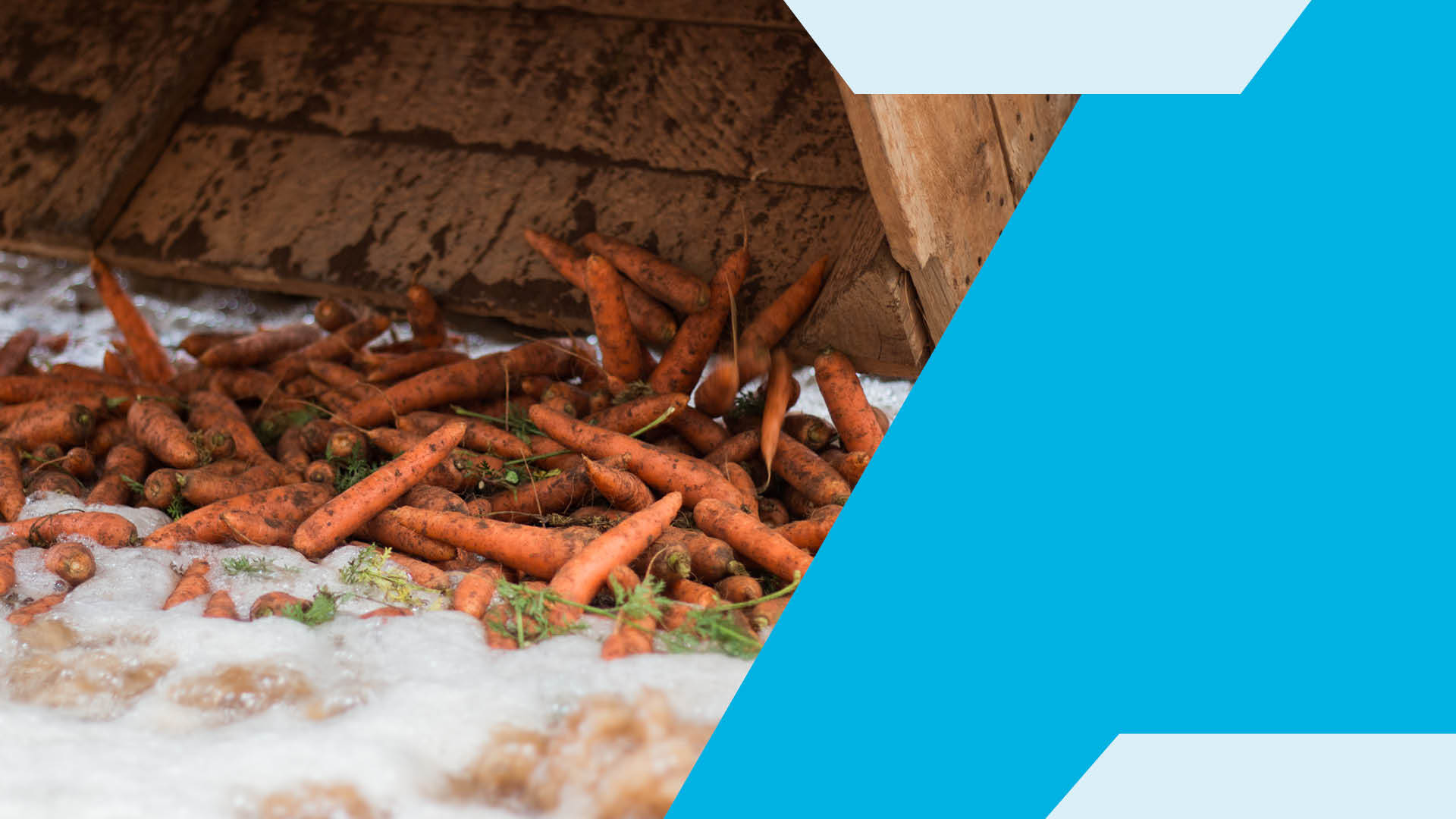
Globally, around 13% of food is lost post-harvest, with fruits and vegetables especially at risk. Damaged or bruised produce is often rejected before retail. Gentle handling equipment such as low-drop conveyors and soft bin tippers reduces losses at source. At the consumer end, shelf-life extension is key. Rapid cooling (e.g. hydrocoolers) preserves freshness and appearance, giving supermarkets and households longer to use produce.
3. Land: Doing More with Less
Land degradation affects 3.6 billion hectares globally, while inefficient farming and waste drive unnecessary emissions. Extending shelf life and preventing losses mean growers do not need to overproduce to compensate for spoilage. More marketable food from each hectare reduces pressure on soil and ecosystems while lowering the carbon footprint of every tonne harvested.
The ROI of Sustainability
Sustainable practices are also smart business. They reduce costs (less water, less waste), improve yields, and minimize regulatory risks. The EU has proposed binding targets: a 10% cut in processing waste and 30% reduction at retail/consumer level by 2030 . Early adopters will stay ahead of compliance and gain credibility with supermarkets that increasingly demand sustainable sourcing.
Innovation Driving Change
Wyma is helping processors meet these challenges through innovation:
-
Water Recycling Systems – Filter and reuse wash water, lowering fresh water use.
-
Gentle Handling Equipment – Minimizes bruising and crop loss, keeping more produce saleable.
-
Hydrocooling Technology – Rapidly reduces produce temperature, extending shelf life.
-
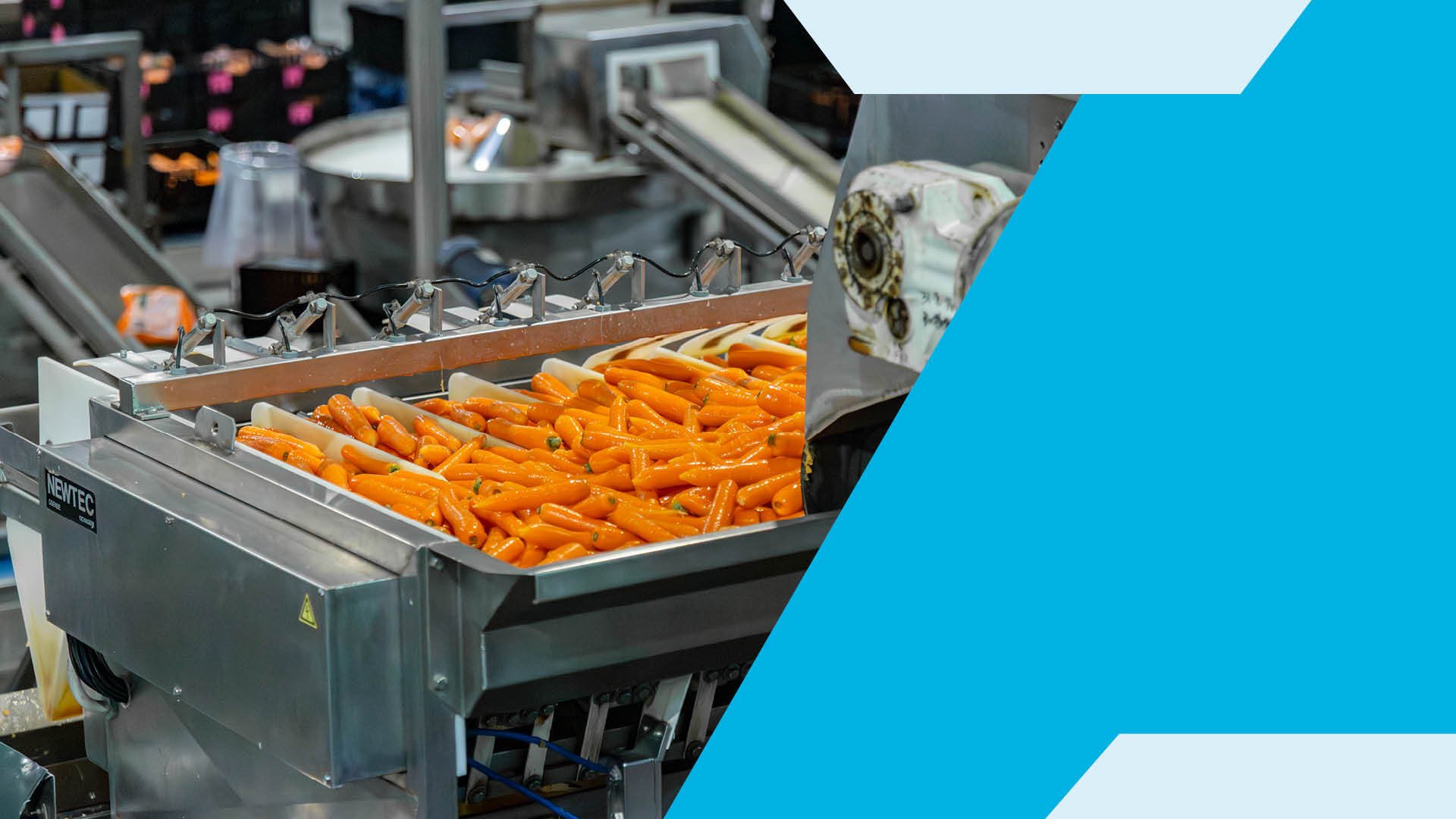
Optical Roto-Cut – AI-driven trimming system that makes precise cuts, reducing waste and boosting yield.
-
Smartline™ Automation – Integrates equipment and data for more efficient, waste-reducing packhouses.
What’s Next for the Industry
The next frontier is digitalisation and collaboration. AI and IoT tools can predict shelf life, optimize logistics, and reduce spoilage. Greater supply-chain transparency will help match supply with demand and prevent overproduction. Retailers are also rethinking standards, from relaxing cosmetic requirements to removing “best before” labels, to cut food waste . Growers and processors who embrace these shifts will secure stronger retail partnerships and market advantage.
The Best from Every Harvest
Sustainability is a shared challenge, and a shared opportunity. By reducing water use, minimizing waste, and extending shelf life, processors can deliver higher yields, lower costs, and meet regulatory demands. With technologies like gentle handling, water recycling, and AI-driven trimming, Wyma is helping customers get the best from every harvest while building a more resilient, sustainable food system.